
SAP S/4HANA is SAP’s fourth-generation ERP suite and runs on the in-memory database SAP HANA. It succeeds SAP ERP 6.0 (ECC), whose mainstream maintenance ends in 2027, and brings finance and controlling into one shared data model. For production this means: ERP data becomes more consistent, but the connection to machines and plants has to be planned deliberately. SAP S/4HANA is the ERP suite SAP introduced on 3 February 2015. SAP describes it as the fourth generation after R/2, R/3 and SAP ERP. The “S” stands for “Suite”, the “4” for the fourth generation and “HANA” for the underlying in-memory database. The suite covers finance, procurement, manufacturing, sales, supply chain and project management. Technically, the key change is that business data is held in main memory. Transactions and analysis can therefore run in the same system, without first copying data to a separate reporting system. The table below compares SAP ERP 6.0 (ECC) and S/4HANA. For many projects the trigger is a date. On 4 February 2020 SAP announced mainstream maintenance for the core applications of SAP Business Suite 7 (which includes SAP ERP 6.0) until the end of 2027. After that, optional extended maintenance is available from the start of 2028 to the end of 2030, charged by SAP at a premium of two percentage points on the maintenance basis. For SAP S/4HANA, SAP commits to maintenance until the end of 2040. The cost can be estimated. Purely as an illustration: with a maintenance basis of EUR 10 million, two percentage points come to EUR 200,000 per year, or EUR 600,000 over the three years of extended maintenance. Your actual basis is set out in your maintenance contract; this example is no substitute for checking it. There is also a functional reason. If finance, controlling and asset data sit in one shared structure, there is less to reconcile. For manufacturing this matters because costs, materials and orders are no longer assembled from separate sources. Please check the maintenance dates directly on SAP’s support pages, as SAP may adjust them. S/4HANA is not a single program but a combination of database, data model, business applications and deployment model. The overview lists the building blocks that matter most for planning. Technically, a move is decided at four points. The sequence is similar in most projects, even though duration and effort differ considerably. The SAP Readiness Check shows which applications, custom developments and interfaces in the existing system are affected. SAP distinguishes three paths: new implementation (greenfield), system conversion (brownfield) and selective data transition. Which fits depends on your data and target picture. For a system conversion, the Software Update Manager with the Database Migration Option (DMO) is used. Processes and all interfaces are tested. After cutover, the focus is on monitoring data flows and gradually aligning processes with the new data model. Four distinctions prevent common misunderstandings. In practice, moves rarely fail because of the software itself. More often it is grown structures that nobody has fully documented. A move to S/4HANA only improves what was clarified beforehand. Unclear master data, unused custom code and undocumented interfaces come along, just in a new system. pronubes does not take over the migration or data cleansing and does not replace any SAP module. It supports the connection of the production side. pronubes does not replace SAP. On the production side it makes sure data arrives where the ERP system needs it. SAP HANA is the in-memory database. SAP S/4HANA is the ERP suite built on that database, covering finance, procurement, manufacturing, sales and other areas. According to SAP, mainstream maintenance for the core applications of Business Suite 7, including SAP ERP 6.0, runs until the end of 2027. Optional extended maintenance runs from the start of 2028 to the end of 2030 and carries a premium of two percentage points on the maintenance basis. Please check the current status on SAP’s support pages. No. S/4HANA is available as cloud, on-premise and hybrid. Cloud and on-premise are separate products with a common origin. SAP names new implementation, system conversion (brownfield) and selective data transition. A new implementation starts without legacy, a conversion converts the existing system, and the selective variant carries over data and processes by choice. The ERP system does not capture plant states on its own. Existing interfaces to production and warehouse systems therefore have to be checked and tested against the new system. A central connectivity layer can limit that effort. pronubes connects machines, plants and ERP systems through one shared architecture instead of interface by interface.What is SAP S/4HANA and what does the move involve?
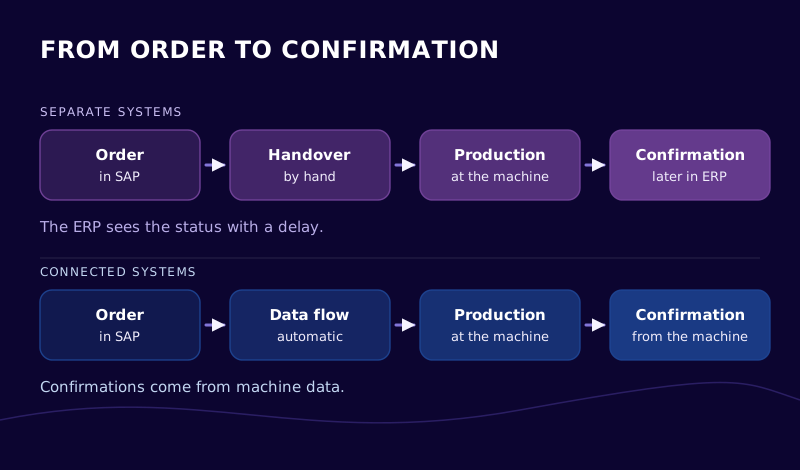
Definition: SAP S/4HANA
Criterion
SAP ERP 6.0 (ECC)
SAP S/4HANA
Generation
Third generation after R/2 and R/3
Fourth generation, introduced in 2015
Database
Several supported databases
SAP HANA (in-memory)
Financial data
Spread across several tables, for example for general ledger, controlling and assets
One shared table, ACDOCA (“Universal Journal”)
Maintenance
Mainstream maintenance until end of 2027, optional extended maintenance until end of 2030
Maintenance commitment until end of 2040
Deployment
Mainly on-premise
Cloud, on-premise or hybrid
Why the move is on the agenda
What S/4HANA consists of
Building block
Purpose
Source
SAP HANA
In-memory database in which transactions and analysis run in the same system
SAP, 2015
Universal Journal (ACDOCA)
One shared table for general ledger, controlling, asset accounting, material ledger and profitability analysis
SAP PRESS
Business areas
Finance, procurement, manufacturing, sales, supply chain, project management
SAP, 2015
Deployment models
Cloud, on-premise (called “AnyPremise” by SAP) and hybrid; cloud and AnyPremise are separate products with a common origin
SAP, 2020
What the implementation depends on
Four steps to the move
Take stock
Choose a migration path
Implement and test
Operate and develop
What S/4HANA is not
Typical hurdles in practice
How pronubes helps
Frequently asked questions
What is the difference between SAP HANA and SAP S/4HANA?
Until when is SAP ECC maintained?
Do I have to move to the cloud for S/4HANA?
Which routes are there for the move?
What changes for production and machine connectivity?
A new ERP system only delivers value once production data arrives reliably.
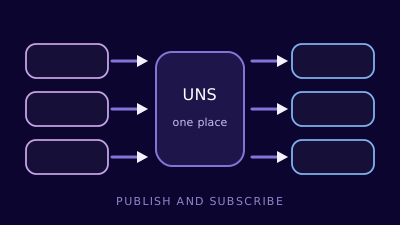
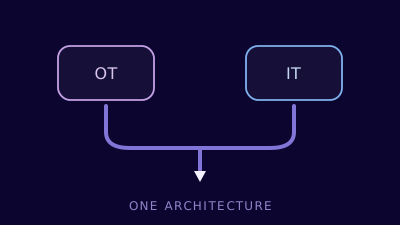
pronubes is a product of inray Industriesoftware GmbH. Over 30 years of industrial software from Germany. Innovative and reliable for manufacturing companies.